History of Grama Panchayat
Puzhakkattiri Grama Panchayat, established in 1961 under the erstwhile Malabar District Board, is one of the historically and culturally significant local self-government institutions in Malappuram District, Kerala. What began as a modest administrative unit functioning from a simple mud-built shed has evolved over the decades into a modern and people-centric institution equipped with contemporary facilities and committed to inclusive development.
Spread across an area of 22.69 square kilometres, the Panchayat shares its boundaries with Makkaraparamba and Mankada Grama Panchayats to the north, Kuruva Grama Panchayat to the west, Moorkkanad and Pulamanthole Grama Panchayats to the south, and Angadipuram Grama Panchayat to the east. Situated in the scenic midland region of Kerala, the area is characterized by its rolling hills, valleys, gentle slopes, plains, and abundant natural water resources.
Historically, paddy cultivation was the principal source of livelihood for the local population. Over time, however, the region has transformed into a centre of diversified agricultural activities, reflecting changing economic and social dynamics.
Today, Puzhakkattiri stands as a vibrant rural community where nature, history, culture, and education coexist harmoniously. With its high literacy rate, strong social cohesion, and progressive development vision, Puzhakkattiri Grama Panchayat continues to serve as a model of sustainable local governance and community-driven development.
Freedom Fighters
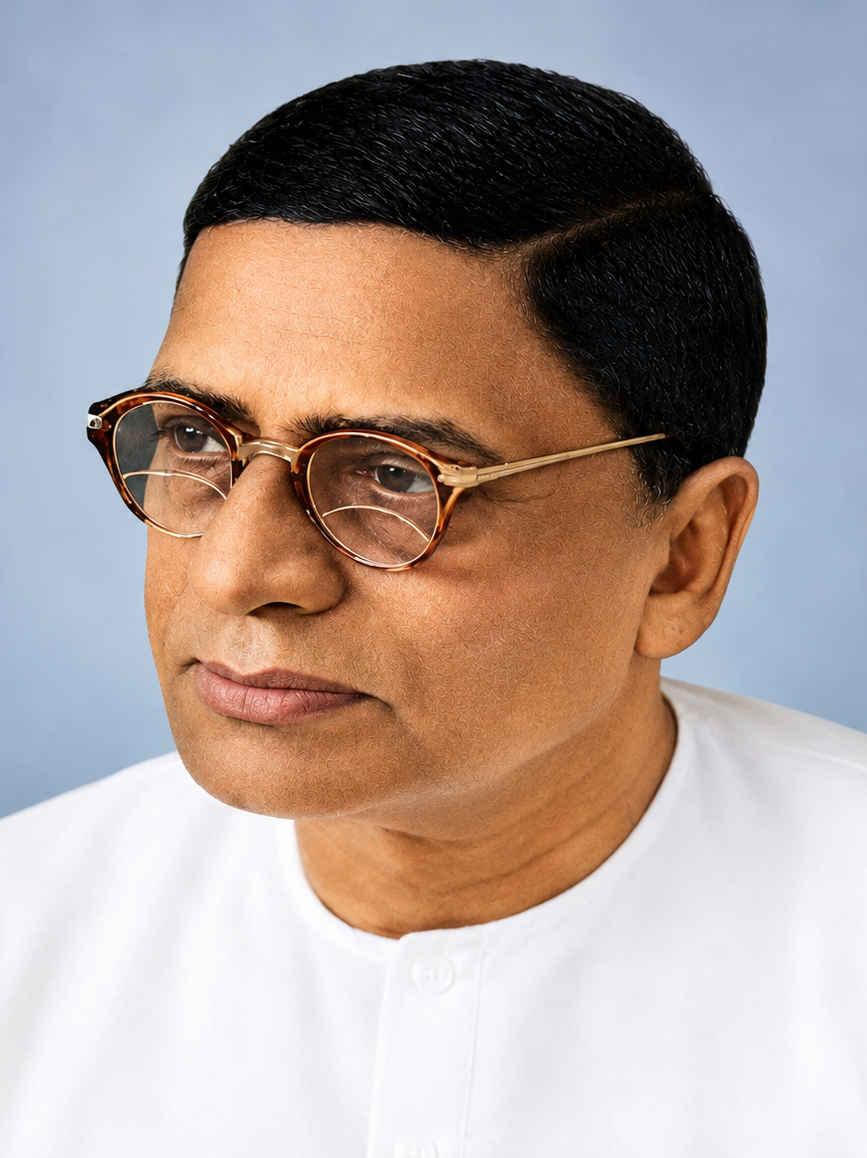
M. P. Narayana Menon, a distinguished freedom fighter and proud son of Puzhakkattiri, was one of the prominent leaders of India's national movement. He played an active role in the Khilafat Movement and during the Malabar Rebellion period, emerging as a strong advocate of Hindu–Muslim unity and communal harmony.
During 1934–35, he served as the President of the Kerala Pradesh Congress Committee and made significant contributions to the freedom struggle. Despite facing persecution and hardships under British colonial rule, he remained steadfast in his commitment to the ideals of nationalism, justice, and independence.
His enduring legacy as a champion of religious harmony, national integration, and patriotic values continues to inspire generations. M. P. Narayana Menon is remembered with great respect as one of the notable figures who contributed to India's struggle for freedom.